Best Pokémon Cards to Invest In (2026 Guide)
The 2026 Investor’s Blueprint: Top Pokémon TCG Assets and Strategic Market Positioning
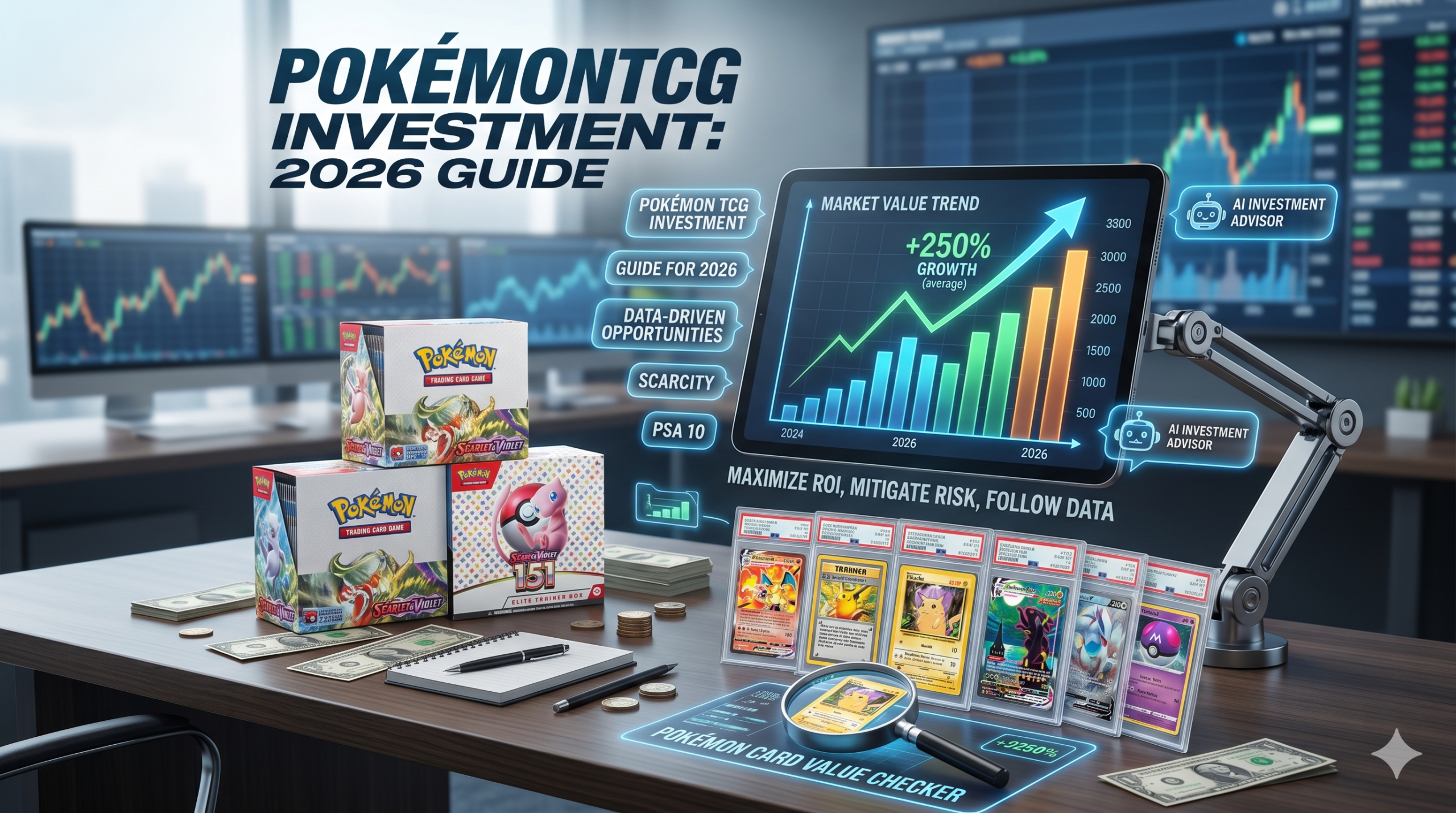
The Pokémon Trading Card Game (TCG) landscape has fundamentally shifted. As we navigate through 2026, the era of blind, hype-driven purchasing is definitively over. Today’s successful participants are not treating the market like a lottery; they are treating it as a legitimate alternative asset class. Smart investors are leveraging data, historical charts, and population reports to identify undervalued opportunities.
If you are asking the critical question—👉 “Which Pokémon cards and products should I allocate capital to right now?”—this comprehensive guide provides a strategic breakdown of the market based on demand, artificial scarcity, liquidity, and long-term ROI potential.
👉 Learn If Pokémon TCG Is Still Worth It
📊 The Core Valuation Metrics: What Drives an Asset’s Price?
Before acquiring a single card or sealed box, you must understand the underlying economic fundamentals that dictate value in the TCG ecosystem. A card is not valuable simply because it is rare; it requires a confluence of specific factors:
1. Unyielding Consumer Demand
The character featured on the cardboard is the single biggest predictor of liquid demand. Cards featuring iconic, “Tier 1” Pokémon consistently outperform obscure characters, regardless of the card’s statistical rarity.
- The Heavyweights: Charizard, Pikachu, Umbreon, Rayquaza, Mewtwo, and Lugia.
- The “Waifu” Effect: Full-art trainer cards featuring popular female characters also command massive premiums, particularly in the Japanese market.
2. Verified Scarcity (Supply Mechanics)
In modern sets, scarcity is determined by “pull rates” (the statistical probability of opening a specific card from a pack). In vintage sets, scarcity is determined by attrition—how many cards survived the early 2000s without being destroyed in playgrounds.
3. Pristine Condition & Third-Party Grading
Raw, ungraded cards carry inherent risk. Serious investors deal in authenticated, graded assets.
- A card graded by PSA, BGS, or CGC as a Gem Mint 10 can sell for 5x to 10x the price of the exact same card in ungraded condition.
- Grading provides a standardized measure of asset quality, making it easier to buy and sell sight-unseen over the internet.
4. Market Liquidity
An asset is only worth what someone is willing to pay for it today. High-end, multi-thousand-dollar vintage cards may have incredible value, but finding a buyer takes time. Modern “chase” cards in the $100–$500 range offer much higher daily transaction volumes.
💎 The Blue-Chip Portfolio: Top Pokémon to Target in 2026
Based on historical data, population reports, and current market behavior, these are the strongest targets for capital allocation right now.
🔥 1. Charizard (The Index Fund of Pokémon)
Charizard is the undisputed king of the Pokémon TCG. It operates almost like a blue-chip stock—when the broader Pokémon market rises, Charizard rises first and fastest.
- Why it works: Unmatched global brand recognition and constant, multi-generational collector interest.
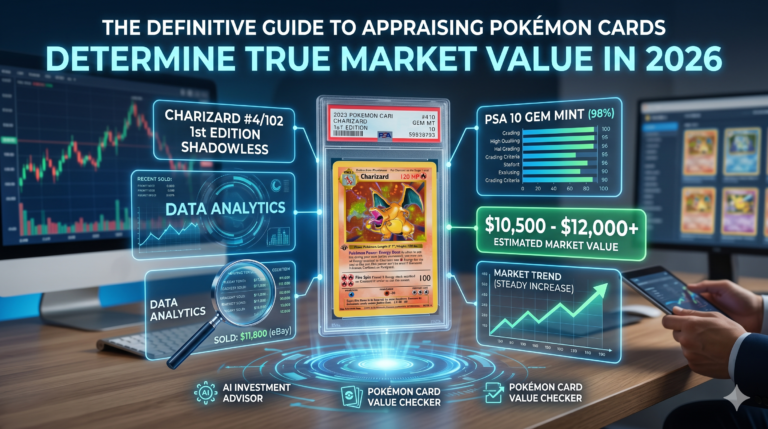
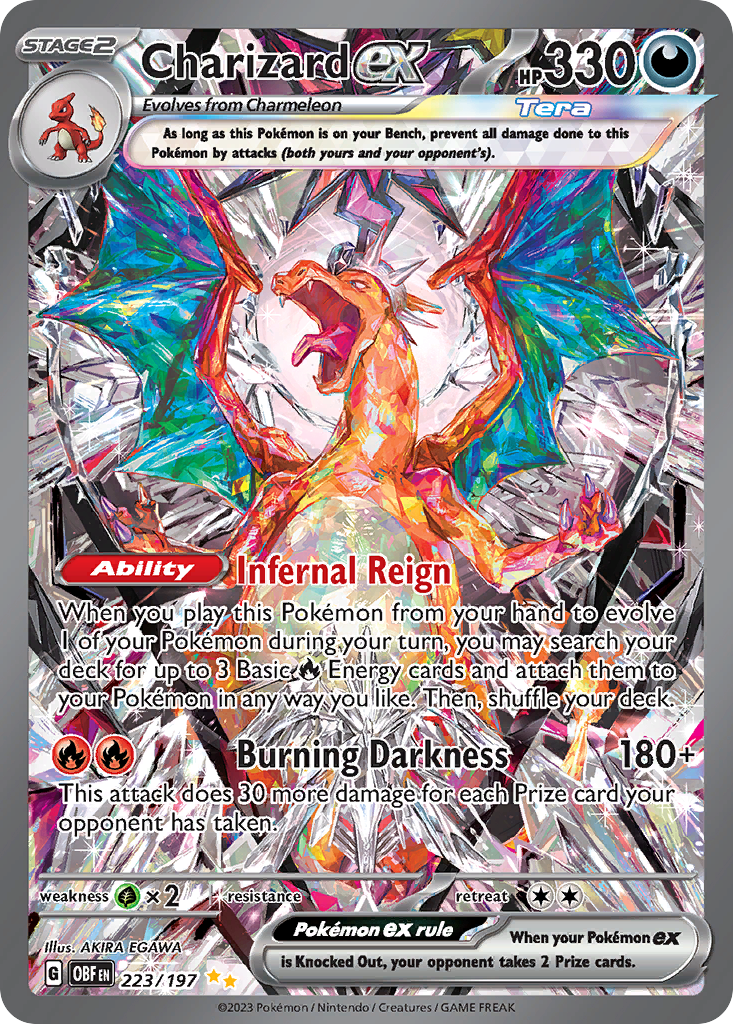
- Top Targets: Base Set Holographics (1st Edition, Shadowless, and Unlimited), Gold Star Charizard, and modern grails like the Special Illustration Rares (SIR) from sets like Paldean Fates or 151.
- The Strategy: Acquire PSA 9 or PSA 10 graded copies during market lulls and hold for 3–5 year cycles.
⚡ 2. Pikachu (Special Promos & Exclusives)
As the global mascot of the largest media franchise on earth, Pikachu cards have universal appeal.
- Why it works: While base set Pikachus are common, TPCi (The Pokémon Company International) frequently releases hyper-limited Pikachu promotional cards that never see mass retail printing.
- Top Targets: Japanese-exclusive Poncho Pikachu promos, the Mario/Luigi Pikachu boxes, and the Masterball reverse holos from the Japanese 151 set.
- The Strategy: Focus heavily on Japanese-exclusive Pikachu promos, as they historically yield the highest premiums due to extreme print limits.
🧠 3. Mewtwo & Lugia (Nostalgic Heavyweights)
These two legendary Pokémon command a massive, dedicated following of collectors who grew up with the original Game Boy games and early movies.
- Why it works: They are historically strong performers but often sit at slightly lower price points than Charizard, offering excellent growth potential.
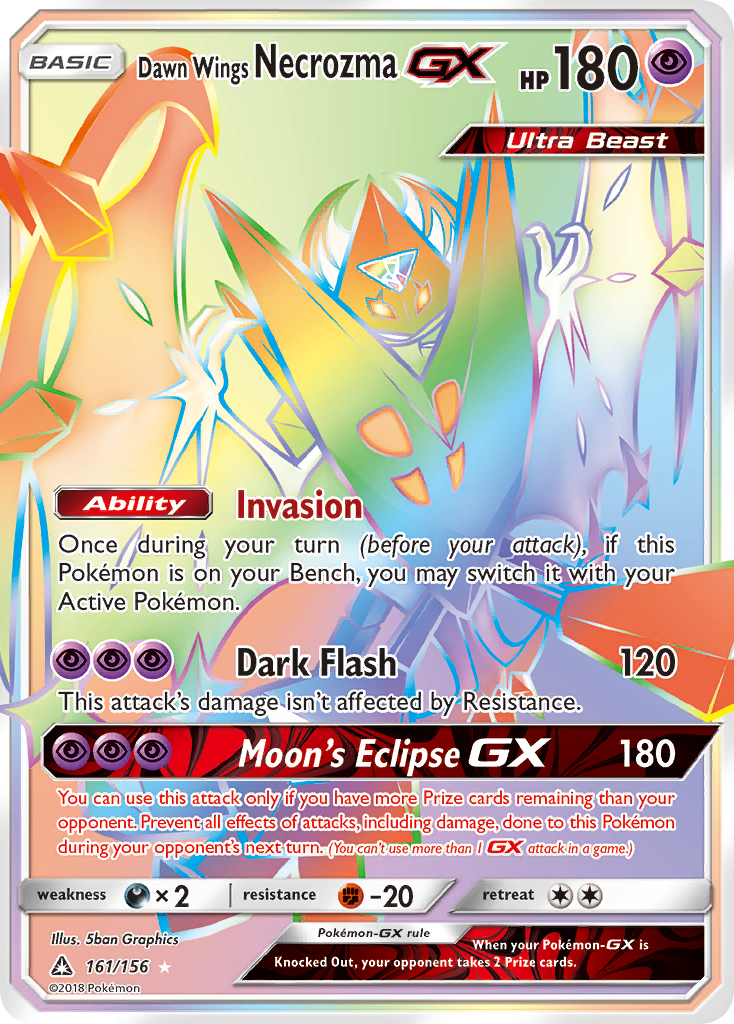
- Top Targets: Lugia from Neo Genesis, the Lugia V Alternate Art from Silver Tempest, and the Mewtwo GX “Mewtube” from Shining Legends.
- The Strategy: Target high-grade modern alternate arts of these Pokémon just as the sets they belong to go “out of print.”
🌟 4. Alternate Arts & Special Illustration Rares (SIR)
Starting in the Sword & Shield era and continuing through Scarlet & Violet, TPCi introduced full-art cards with incredible, narrative-driven illustrations.
- Why it works: These are the most sought-after cards by modern collectors. The pull rates are notoriously difficult (sometimes 1 in 280+ packs), creating instant scarcity.
- The Strategy: Wait 6 to 8 months after a new set is released. Buy the singles when the initial hype dies down and the price bottoms out, then grade and hold.
📦 Sealed Product vs. Individual Singles: The Great Debate
One of the most common hurdles for new investors is deciding where to park their capital. Let’s look at the data.
| Strategy | ROI Potential | Risk Level | Liquidity | Storage & Maintenance |
| Sealed Booster Boxes | Steady, predictable growth | Low | High | Requires climate-controlled, bulky storage |
| Graded Singles (PSA 10) | High, but volatile | Medium | Very High | Easy to store (safes, vaults) |
| Raw/Ungraded Singles | Very High (if graded well) | High | Medium | Requires strict handling and protection |
| Special Collection Boxes | Moderate | Low | Medium | Awkward shapes, prone to shelf wear |
Pro Tip: The most successful 2026 portfolios employ a 🧩 Hybrid Strategy. Allocate 60-70% of your capital to sealed Booster Boxes for safe, long-term compounding growth. Use the remaining 30-40% to actively flip graded singles for short-term liquidity and cash flow.
🔍 How to Identify Undervalued Assets
The real profit in the TCG market is made when you buy, not when you sell. To identify assets before they spike, look for:
- Population Control: Use the PSA Population Report. If a card is popular but very few Gem Mint 10s exist, the price will inevitably rise.
- The “Out of Print” Window: Sets are typically printed for about two years. Once Pokémon stops printing a set, supply completely halts. Buying sealed boxes right before this announcement is a proven arbitrage strategy.
- Data Utilization: Never guess. Utilize platforms like TCGPlayer, eBay Sold Listings (via 130point), and AI-driven Pokémon Investment Advisors to track moving averages and volume.
⚠️ Capital Preservation: Common Pitfalls to Avoid
Even in a strong market, poor execution will destroy your capital. Avoid these fatal errors:
- ❌ FOMO Buying (Fear of Missing Out): If a card’s price has doubled in the last 48 hours and everyone on YouTube is talking about it, you are the exit liquidity. Wait for the inevitable correction.
- ❌ Ignoring Asset Protection: High humidity, direct UV light, and cheap penny sleeves will destroy a card’s value. Invest in proper toploaders, semi-rigids, and climate control.
- ❌ Entering Without an Exit Strategy: Before you buy an asset, know exactly what platform you will sell it on, what the seller fees are (eBay takes ~13%), and your target ROI.
🚀 Step-by-Step Execution Plan for 2026
To transition from a casual collector to a disciplined investor, follow this framework:
- Establish the Bankroll: Set a strict monthly budget that does not cannibalize your traditional investments (stocks/crypto).
- Source Below Market: Network on specialized Discord servers, Facebook groups, and local card shows to buy assets at 80% of TCGPlayer market value, bypassing platform fees.
- Focus on Liquidity: Do not buy niche, obscure error cards that take six months to sell. Stick to popular Pokémon and sealed Booster Boxes.
- Grade the Winners: Learn how to evaluate raw cards for centering, whitening, and surface scratches. Send the perfect copies to PSA.
- Track and Rebalance: Use portfolio tracking apps to monitor your collection’s real-time value. Liquidate stagnant assets and reinvest the capital into trending sets.
🧠 The Final Verdict
The best Pokémon cards to invest in are not random, nor are they purely based on luck. They are entirely predictable when you remove emotion and follow the data.
As we look toward the future of the 2026 TCG market, stability and institutional interest are rising. By combining rigorous market analysis, disciplined timing, and a deep understanding of supply mechanics, you can consistently outperform casual participants and build a highly lucrative alternative asset portfolio.