Is Pokémon TCG Worth It in 2026? Full Investment Breakdown
The Pokémon Trading Card Game (TCG) has officially transcended its origins as a childhood pastime. Today, it stands as a legitimate alternative asset class, commanding the attention of venture capitalists, serious collectors, and full-time retail investors.
But as we navigate the post-boom landscape, the definitive question remains: Is the Pokémon TCG still a profitable investment in 2026?
This comprehensive guide dissects current market dynamics, risk-to-return ratios, and actionable strategies to help you make data-driven investment decisions.
📊 The 2026 Market Landscape: Maturation Over Mania
Following the unprecedented explosion during the pandemic years, the Pokémon TCG market has entered a phase of healthy maturation. The days of overnight, hype-driven price doubling have largely passed—and for serious investors, this is excellent news.
Current market analysis from major platforms like TCGPlayer and eBay indicates a robust ecosystem characterized by:
- Stable Demand: A continuous influx of new collectors perfectly balances veteran market participants.
- High Liquidity: Premium and highly sought-after assets change hands quickly and efficiently.
- Predictable Growth: The market now resembles a slow-growth, traditional collectible ecosystem rather than a volatile bubble.
👉 Discover the Best Cards to Invest In
💰 Profit Pathways: Three Core Strategies
Generating consistent returns in the Pokémon TCG requires discipline. Here are the three proven avenues for modern investors:
1. Sealed Product Investing (The Long-Term Hold)
Acquiring and holding untouched merchandise, such as Booster Boxes and Elite Trainer Boxes (ETBs).
- The Catalyst: Limited print runs, natural attrition (as boxes are opened by collectors), and compounding nostalgia.
- The Projection: Historically, a well-chosen sealed product acquired at MSRP can appreciate by 200% to 500% over a 3-to-5-year horizon as global supply dries up.
2. Flipping Individual Cards (The Active Trader)
Capitalizing on market inefficiencies by buying undervalued “singles” and selling them at a premium.
- The Catalyst: Deep market knowledge, impeccable timing, and arbitrage opportunities.
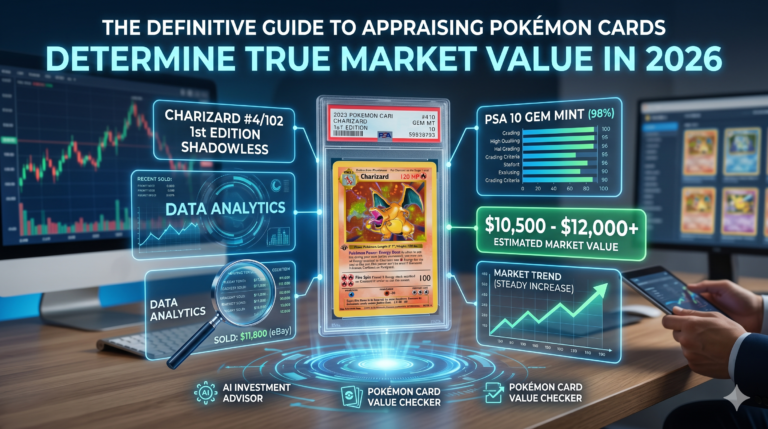
- The Toolset: Success here requires relentless tracking using live pricing data and value-checking tools to spot temporary dips before the broader market reacts.
3. Blue-Chip Collecting (The Premium Tier)
Sourcing and holding exceptionally rare, high-grade cards for the long haul.
- The Catalyst: Strict artificial and natural scarcity.
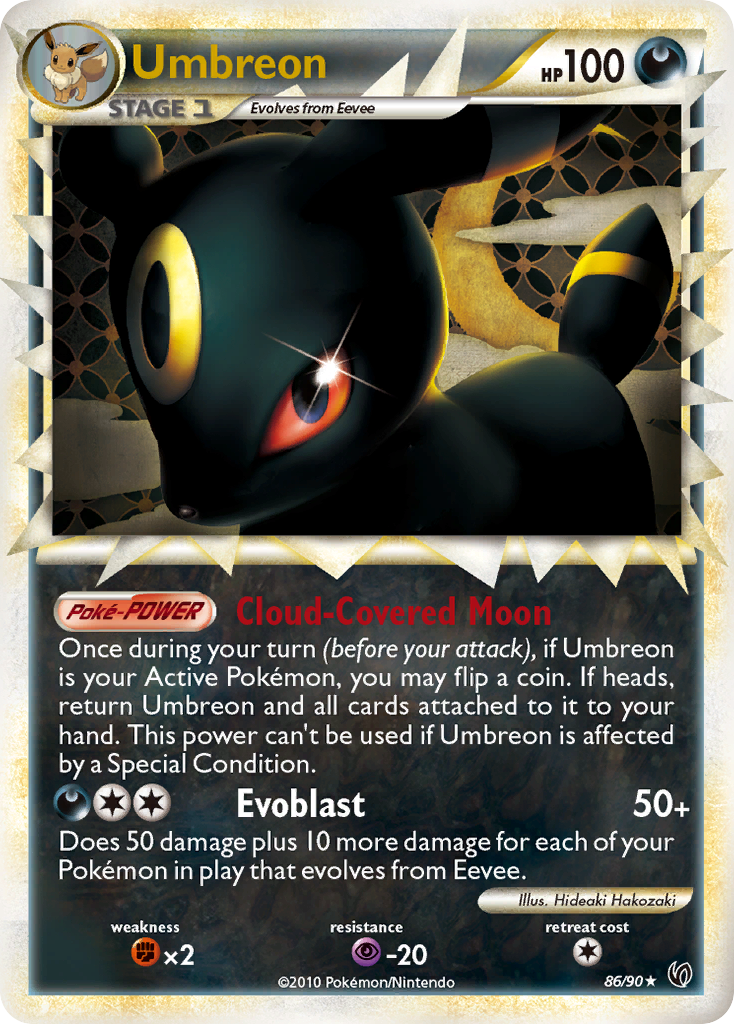
- Best Targets: First Edition vintage holographics, PSA/BGS 10 graded modern alternate arts, and perpetually liquid franchise mascots (e.g., Charizard, Pikachu, Umbreon).
⚠️ Navigating the Risks
No investment is immune to risk. Approaching the TCG market requires a clear-eyed view of its vulnerabilities:
- Market Corrections: Values can retrace following periods of intense speculation or broader macroeconomic downturns.
- The Reprint Threat: The Pokémon Company International (TPCi) frequently reprints active sets to meet player demand, which can temporarily crash the value of modern singles and sealed products.
- Information Asymmetry: Novice investors often lose capital by buying at the peak of a hype cycle or acting on FOMO (Fear Of Missing Out) rather than historical pricing data.
Pro Tip: Emotional investing is the fastest way to lose capital. The most successful TCG investors rely on historical charts, ROI analyses, and AI-driven market trend aggregation to mitigate exposure.
📈 Core Drivers of Asset Value
To accurately assess a card or product’s potential, evaluate these four pillars:
- Consumer Demand: Popular Pokémon universally command higher premiums and move faster.
- Supply Mechanics: Low pull rates and out-of-print statuses dictate upward price pressure.
- Condition (Grading): Gem Mint (PSA 10 / BGS 10) conditions exponentially multiply a card’s raw, ungraded value.
- Historical Significance: Vintage sets carry an intrinsic historical premium that modern releases cannot replicate.
⚖️ Pokémon TCG vs. Traditional Assets
While Pokémon cards should never fully replace foundational investments like index funds or real estate, they offer compelling diversification as a high-performing alternative asset.
| Asset Class | Risk Level | ROI Potential | Liquidity |
| Equities (Stocks) | Medium | Medium to High | High |
| Real Estate | Low to Medium | Medium | Low |
| Pokémon TCG | Medium to High | High | Medium |
🚀 The Optimal Strategy for 2026
For those deploying capital this year, a Hybrid Strategy offers the best risk-adjusted returns:
- The Foundation: Allocate the majority of your TCG portfolio to high-confidence sealed products for predictable, long-term appreciation.
- The Accelerator: Dedicate a smaller percentage to actively flipping trending singles to generate short-term cash flow.
- The Golden Rule: Never invest blindly. Leverage platforms like TCGPlayer, eBay sold listings, and dedicated AI investment advisors to track real-time analytics.
🧠 The Final Verdict
Is the Pokémon TCG worth your capital in 2026?
Yes—but only if treated with the rigor of a traditional investment portfolio.
The Pokémon franchise remains the highest-grossing media IP in human history. With unyielding global demand, a continuous release schedule, and multi-generational nostalgia, the market’s underlying fundamentals are incredibly strong.
If you divorce emotion from your purchasing, prioritize data, and maintain a long-term time horizon, the Pokémon TCG can be a highly lucrative addition to your wealth-building strategy.
🔗 CONTINUE LEARNING
Ready to build your portfolio? Explore our deep-dive guides below: